


Small supporting websites, often referred to as microsites, are a highly effective but frequently misunderstood part of modern web and SEO strategy. They are especially valuable for businesses that want to promote specific services, locations or audiences without overloading their main website. A microsite is a compact, purpose-driven website design created to work alongside a primary brand site, not to replace it. When planned and executed properly, microsites can play a significant role in increasing visibility, generating enquiries and strengthening search engine performance.
One of the biggest strengths of small supporting websites is focus. Larger websites often try to cater to multiple services, customer types and locations at once, which can blur messaging and reduce clarity for visitors. A microsite strips this back by concentrating on one service, one location or one specific need. This creates clearer messaging, stronger relevance and a smoother journey for users who arrive with a particular intent.
From a search engine optimisation standpoint, microsite websites can be extremely effective when built with a clear strategy. Search engines prioritise relevance, and a site dedicated entirely to a single topic or service allows content to align very closely with what people are actively searching for. Instead of relying on a single large website to rank for everything, a microsite can focus on a tight keyword theme without competing internally with unrelated pages.
This approach is particularly useful for location-based services. Businesses that operate across multiple towns or regions often struggle to give each area the attention it needs within one main website. A microsite makes it possible to target a specific location with content written solely for that audience, incorporating local terminology, service details and geographic relevance that both users and search engines respond to more positively.

asbestos removal web design
Another major benefit of small supporting websites is flexibility. Because a microsite is contained and purpose-built, it can be launched quickly and adjusted easily. This allows businesses to test new services, markets or messaging without restructuring their primary website. If the microsite performs well, it can be expanded or replicated. If it underperforms, it can be refined or retired with minimal risk.
Microsites are also highly effective when it comes to lead generation. With fewer distractions and a single clear goal, visitors are more likely to take action. Rather than navigating through multiple menus or unrelated content, users are guided toward one specific outcome. This simplicity often results in higher conversion rates compared to broader, multi-purpose websites.
For businesses using paid advertising, microsites can significantly improve campaign performance. Directing traffic to a generic homepage often leads to poor engagement because the content doesn’t precisely match the intent of the advert. A microsite can be built specifically around a campaign message, ensuring visitors land on a page that directly reflects what they searched for or clicked on. This alignment improves user experience and can lower cost per enquiry.
Branding also benefits from this approach. While remaining clearly connected to the main brand, microsites allow for tailored messaging and presentation. This is especially useful for businesses offering a wide range of services to very different audiences. A small supporting website can speak directly to one audience without confusing or diluting the wider brand message.
Microsite websites are also well suited to long-term content strategies. Their focused nature makes them ideal for publishing authoritative content around a specific subject. Over time, this builds topical relevance and trust with search engines, helping the microsite gain traction and authority within its niche rather than competing broadly in overcrowded search results.
It is important, however, that microsites are built correctly. Poorly planned sites with thin content, duplicated material or unclear intent can weaken rather than strengthen an online presence. A successful microsite requires original content, a defined purpose and a clear role within the overall digital strategy. When done properly, microsites complement a main website instead of competing with it.
For service-based businesses, small supporting websites offer a practical way to scale visibility without overloading a single domain. Rather than forcing one website to rank for every service and location, businesses can deploy targeted microsites that work together to capture demand more effectively. This distributed approach is often more resilient and adaptable in competitive markets.
Microsites also allow businesses to remain agile as markets change. As search behaviour evolves and new opportunities emerge, a microsite can be updated, repositioned or repurposed quickly. This flexibility is particularly valuable for small and medium-sized businesses that need to maximise impact without committing to large, inflexible marketing investments.
When designed with intention, small website builds that sit alongside a larger site can become powerful extensions of a brand’s online presence. They provide focus, relevance and adaptability, helping attract the right visitors and convert them into genuine enquiries. Rather than being shortcuts, microsites work best as deliberate, strategic tools used to support long-term growth.
At Pixel Prometheus, microsite websites are designed with structure, purpose and performance in mind. Each build serves a clear role within a wider marketing strategy, ensuring it delivers real value rather than simply existing online. Used correctly, microsites don’t fragment a brand, they reinforce it.
WordPress Microsite Websites
WordPress microsite websites provide a flexible and efficient solution for businesses seeking targeted online visibility without the complexity of a large, multi-layered platform. Thanks to its lightweight framework, widespread support and high level of customisation, WordPress is particularly well suited to building focused websites designed around a single service, audience or location.
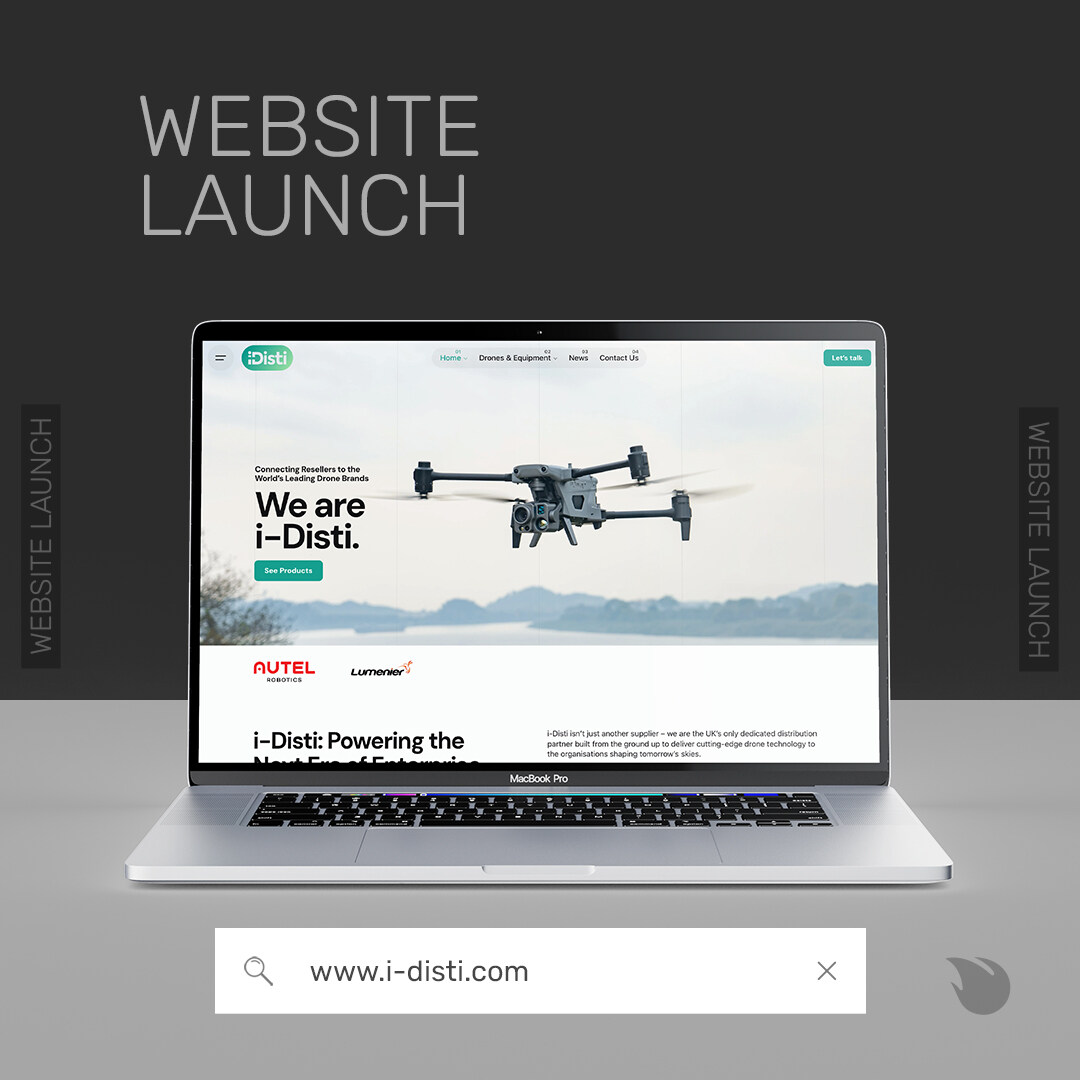
drone-distributor web design
One of the standout advantages of WordPress microsites is how quickly they can be deployed. With a solid structure in place, a microsite can be launched efficiently while still maintaining professional design standards, SEO best practices and strong performance. This makes WordPress ideal for testing new services, targeting new locations or responding quickly to changes in demand.
WordPress also offers excellent control over content and SEO, which is essential for microsite effectiveness. Each site can be structured around a tightly defined keyword focus, with clean URLs, optimised page titles, schema markup and fast-loading pages. This clarity helps WordPress website microsites communicate strong relevance to search engines without internal competition from unrelated content.
Scalability is another benefit. While microsites are intentionally small, they are not restrictive. Pages, landing sections or additional location-based content can be added gradually as performance data becomes available. This allows growth to be guided by results rather than assumptions.
WordPress also integrates easily with analytics, contact forms, conversion tracking and third-party tools. This makes it straightforward to measure performance, identify opportunities and refine messaging. For businesses focused on lead generation, this insight is critical to improving results over time.
From a branding perspective, WordPress microsites can closely align with a main brand while still allowing room for targeted messaging. This balance ensures consistency without sacrificing relevance. When executed well, visitors experience the microsite as a specialist resource rather than a disconnected extension.
Ongoing maintenance is another area where WordPress performs well. Updates, security patches and content changes can be managed efficiently, keeping microsites fast, secure and reliable. This is especially important when running multiple sites as part of a wider strategy.
WordPress microsite websites are not about shortcuts or gaming search engines. When built with original content, clear intent and solid structure, they prioritise users by delivering focused, relevant information quickly and clearly. Search engines tend to reward this approach, particularly in competitive service-based sectors.
For businesses working with Pixel Prometheus, WordPress microsites are developed as part of a broader, considered strategy rather than as isolated projects. Each microsite has a defined purpose, audience and performance goal, ensuring it contributes meaningfully to long-term online growth and lead generation.